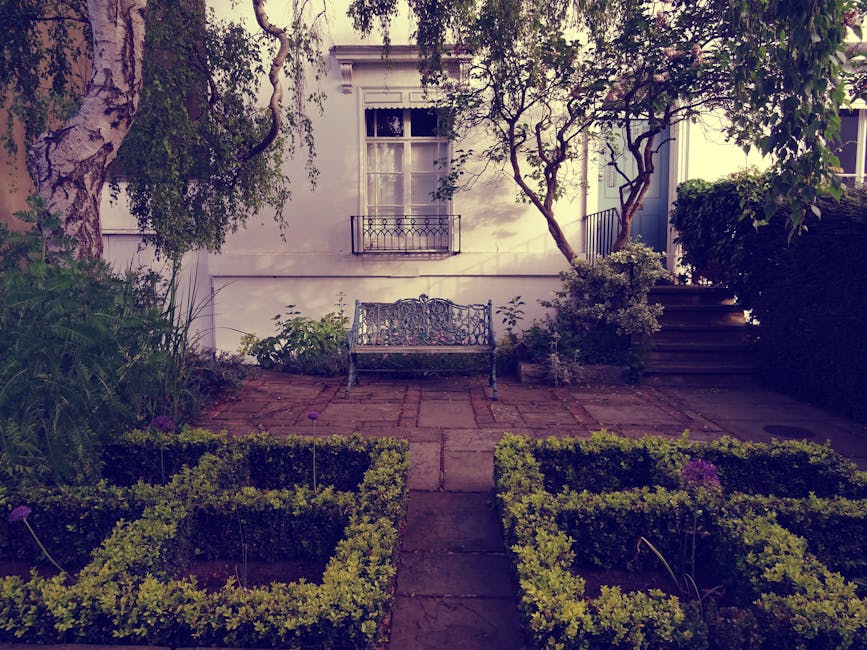
Manor Park E12 gardeners local guide for small urban gardens
If you are trying to make a small garden in Manor Park feel calmer, greener, and easier to live with, you are not alone. A lot of E12 gardens have the same character: narrow side returns, compact terraces, overlooked courtyards, awkward shade, and a constant battle with clutter. The good news? With the right planning, a small plot can become the most useful room in the house. This Manor Park E12 gardeners local guide for small urban gardens pulls together the practical ideas, planting choices, and service considerations that matter most when space is tight and every decision has to earn its place.
Think of it as a real-world guide, not a glossy fantasy. We will cover what works in a dense London setting, how local gardeners approach tricky layouts, where people go wrong, and when it makes sense to bring in help for maintenance, hedge shaping, lawn care, or a full refresh. A bit of honest advice goes a long way, to be fair.
Table of Contents
- Why Manor Park E12 gardeners local guide for small urban gardens Matters
- How Manor Park E12 gardeners local guide for small urban gardens Works
- Key Benefits and Practical Advantages
- Who This Is For and When It Makes Sense
- Step-by-Step Guidance
- Expert Tips for Better Results
- Common Mistakes to Avoid
- Tools, Resources and Recommendations
- Law, Compliance, Standards, or Best Practice
- Options, Methods, or Comparison Table
- Case Study or Real-World Example
- Practical Checklist
- Conclusion
- Frequently Asked Questions
Why Manor Park E12 gardeners local guide for small urban gardens Matters
Small urban gardens in Manor Park are not a limitation so much as a design brief. That sounds neat on paper, but in practice it means your garden has to do several jobs at once: provide privacy, catch light, handle shade, stay safe for children or pets, and still look inviting from the kitchen window. In an area with closely set homes and compact plots, that mix can be surprisingly demanding.
A local guide matters because urban gardens are shaped by local conditions. In E12, you are often dealing with narrow access, mixed fencing, mature neighbouring trees, patchy sunlight, and pockets of wind. Some gardens dry quickly; others stay soggy at the back after heavy rain. A one-size-fits-all approach usually ends up looking tired within a season or two. A thoughtful, local approach helps you choose planting and maintenance routines that actually fit the space.
There is also the question of time. Many homeowners want low-maintenance gardens that still feel alive. That is a sensible wish, not a lazy one. A well-designed small garden should reduce work, not create more of it. The trick is to use structure, repetition, and the right plants so the garden feels full without being fussy.
For readers who want a broader sense of service options, it can help to explore professional gardening services in Manor Park and the practical support available through regular garden maintenance. Those pages are useful if your garden needs more than a tidy-up and you want a longer-term plan.
How Manor Park E12 gardeners local guide for small urban gardens Works
The basic idea is simple: start with the constraints, then design for them. Small urban gardens work best when every square metre has a job. Instead of trying to cram in everything at once, local gardeners usually break the space into functions. One area might be for seating, another for planting, another for storage or access. Even a tiny garden can feel generous if it is arranged with intention.
In practice, the process often looks like this:
- Measure the usable space and note where the sun falls at different times of day.
- Identify problem spots such as deep shade, wind tunnels, poor drainage, or overlooked boundaries.
- Decide the main purpose of the garden. Is it for relaxing, family play, entertaining, growing herbs, or all of these in small doses?
- Choose structure first with hedges, screens, planters, raised beds, or paving lines before adding decorative planting.
- Pick plants for the site rather than the catalogue photo. That is where a lot of good intentions go missing.
- Plan maintenance realistically. If you do not enjoy weekly trimming, avoid layouts that demand it.
Local gardeners also think in layers. Vertical space is often underused in urban plots, which is why climbers, wall planting, trellis panels, and slim screening are so effective. A vertical approach can add privacy and softness without eating up ground space. If you want inspiration on this front, vertical garden ideas can be a useful starting point, especially for bare walls or compact courtyards.
Another key part of how it works is seasonal timing. Small gardens show problems faster than large ones. A planting choice that looks fine in April may collapse under summer heat, while a boundary that feels private in June may suddenly expose everything once leaves drop in autumn. That is why many experienced gardeners build in year-round structure through evergreens, permanent edges, and plants with sensible growth habits.
Key Benefits and Practical Advantages
A good small-garden plan does more than make the space pretty. It improves how the garden functions day to day. Here are the advantages that matter most in Manor Park and similar London settings:
- Better privacy: layered planting and carefully chosen hedges can reduce the feeling of being overlooked.
- Less maintenance stress: compact designs with the right planting palette are easier to keep tidy.
- More usable space: smart layout can make a courtyard or narrow strip feel bigger than it is.
- Improved resilience: appropriate plants cope better with wind, shade, and seasonal changes.
- Better kerb appeal: a neat front or back garden can lift the whole property's feel, even without major landscaping.
- More comfort: a small garden can become a proper retreat, not just an outdoor afterthought.
There is a practical side to this too. A small space that is easy to maintain tends to stay healthy. Weeds do less damage when borders are clearly edged. Watering becomes simpler when containers and beds are grouped sensibly. Even the weekly mow becomes less of a chore if the lawn is right-sized and well cared for. If your lawn is part of the picture, lawn care support can make a big difference, especially where grass has been patchy or compacted by regular use.
And then there is the feel of it. A tiny garden with clipped structure, fresh foliage, and one or two scented plants can feel surprisingly luxurious on a quiet evening. You open the back door, smell the herbs, hear a bit of traffic in the distance, and suddenly the place feels like yours. That matters more than people admit.
Who This Is For and When It Makes Sense
This guide is especially helpful if you are in one of these situations:
- You have a small terrace, courtyard, or narrow back garden in Manor Park E12.
- You want more privacy without building something heavy or unattractive.
- Your garden is low on time, and you need practical low-maintenance ideas.
- You are starting from scratch and want to avoid expensive mistakes.
- You have inherited an overgrown space and need a sensible recovery plan.
- You want to improve a rental, family garden, or first home without overcommitting.
It also makes sense if you have tried a few DIY fixes and the results were just a bit off. Maybe the hedge grew too fast. Maybe the patio feels cramped. Maybe you planted too many shade-loving plants in the sunniest corner, which happens more often than people like to admit. Garden design is one of those things that looks easy until you actually do it.
For some households, the right answer is a light-touch service. For others, especially where shrubs, hedges, or boundaries have become unmanageable, a more structured approach may be needed. If privacy is the main issue, a look at hedge trimming in Manor Park can help you judge whether shaping, reduction, or full boundary replanting is the better route.
If you are curious about the team behind the work, a quick read of the about us page is sensible. It gives context on approach and professionalism, which matters when someone is working in a private home.
Step-by-Step Guidance
Below is a straightforward process for turning a cramped urban garden into something calmer and more useful. No drama. Just a clear plan.
1. Clear the garden properly
Start by removing dead growth, broken pots, old canes, self-seeded weeds, and anything that blocks the view of the space. You are not just tidying; you are revealing the layout. Small gardens often feel worse than they are because clutter makes them look even smaller.
2. Assess sun, shade, and wind
Walk the garden at different times of day if you can. Morning light, late afternoon heat, and winter shade are not the same thing. In Manor Park, fences and neighbouring buildings can create surprisingly sharp contrasts. A back corner that seems gloomy in July may still get strong reflected light from a pale wall. Equally, a small gusty gap can dry pots faster than expected. For practical wind ideas, the guide on reducing wind impact in gardens is worth a read.
3. Decide on the main structure
Before choosing flowers, sort the bones of the garden. That could mean a simple path line, a seating corner, a slim raised bed, or a screen at the back boundary. Structure gives a small garden confidence. Without it, everything turns into a jumble by midsummer.
4. Choose plants that earn their space
In a small garden, each plant should justify its footprint. Look for compact shrubs, clipped forms, slender climbers, and ground cover that suppresses weeds. A useful planting mix might include one upright focal plant, one or two mid-height shrubs, a repeating ground layer, and a climber for height. If you want practical plant inspiration, ground cover plants for UK gardens can help you choose species that spread neatly instead of aggressively.
5. Add height instead of crowding the floor
Vertical planting is a friend to small spaces. Trellis, wall wires, planter towers, and trained climbers help you gain privacy and softness without taking away the little bit of floor space you have. This is especially helpful in overlooked back gardens and side returns.
6. Keep surfaces practical
A small patio does not need to be large, but it should be easy to clean and safe underfoot. Slippery surfaces, moss, and built-up debris make compact gardens feel grubby very quickly. That is why services like patio cleaning are often more valuable than people expect. A clean hard surface can instantly make a tiny garden feel cared for.
7. Build a maintenance rhythm
Set a light seasonal routine. Prune, deadhead, check drainage, top up mulch, and review what is thriving. Small gardens respond quickly, so small corrections prevent bigger problems later. It is easier to guide a garden than rescue it, honestly.
Expert Tips for Better Results
These are the kinds of details that separate a merely tidy garden from one that feels well considered.
- Repeat shapes and materials. A few repeated pots, colours, or paving tones make a tiny garden feel coherent.
- Use evergreen structure. It keeps the space from looking bare in winter and early spring.
- Prefer fewer, better plants. Ten well-chosen plants beat thirty random ones, every single time.
- Leave breathing room. Empty space is not wasted space. It lets the eye rest.
- Think about sightlines. What do you see when you open the door? That view matters.
- Trim with restraint. Light, regular shaping usually looks better than dramatic cuts done too late.
For hedges and boundaries, timing matters. A hedge left untouched for too long can become woody and awkward, while an over-cut hedge can look thin for months. If you want to understand the balance between style and control, advanced hedge trimming techniques offers helpful context. For privacy-led planting, the post on fast-growing privacy hedges is especially relevant.
One small but important tip: do not overload the garden with too many "feature" elements. A statement bench, a water bowl, a sculpture, a herb bed, and three lantern clusters can sound lovely in theory. In reality? A bit much. Let one or two things carry the scene.
If budget is tighter, focus on high-impact, low-cost improvements first. A seasonal tidy, a better edge, a fresh mulch layer, and a couple of carefully placed containers often outperform a half-finished redesign. There is a sensible side to beauty, which is convenient.
For readers thinking about the wider environmental value of small gardens, gardening for a healthier climate is a useful companion read. It frames planting, soil care, and greener surfaces in a broader, practical way.
Common Mistakes to Avoid
Small gardens magnify mistakes. A choice that would be minor in a large plot can dominate a tiny one.
- Overplanting. Too many plants make maintenance harder and reduce circulation.
- Ignoring mature size. That cute shrub may double in width faster than expected.
- Choosing style over site. Sun-loving plants will not thrive in heavy shade, however nice the label looks.
- Using too many materials. Mixed paving, random edging, and scattered pot styles can feel messy.
- Forgetting drainage. Waterlogged corners lead to tired roots and patchy growth.
- Leaving boundaries untreated. Fences, walls, and hedges frame the whole garden. If they are neglected, everything else feels unfinished.
Another common issue is underestimating maintenance. A lot of people design for their best weekend mood, not their actual routine. Be honest with yourself. If you do not enjoy weekly pruning, do not choose a layout that requires weekly pruning. That sounds obvious, yet people keep doing it.
For overgrown or neglected spaces, a reset may be the better starting point. In those cases, reviving a forgotten garden can be a useful source of ideas before any bigger work begins.
Tools, Resources and Recommendations
You do not need a van full of equipment to manage a small garden well. A compact, well-chosen toolkit is usually enough.
- Hand shears and secateurs for light pruning and deadheading
- Spade and fork for beds, borders, and soil improvement
- Sturdy gloves for thorny shrubs and regular maintenance
- Watering can or hose attachment for containers and dry spells
- Wheelbarrow or trug for quick clearance jobs
- Weed knife or hand weeder for tight corners and paving joints
- Long-reach loppers for awkward pruning without damaging the plant structure
It also helps to have the right service support close at hand. If you need more than basic upkeep, a combination of lawn mowing, lawn care, and garden maintenance can keep the whole space under control without constant stress. For more substantial changes, landscaping support may be the sensible route, especially if the layout itself needs rethinking.
For outdoor features, consider whether a small amount of hardscape work would help more than additional planting. A compact seating area, a cleaner path, or better boundary treatment can transform how the space functions. If your timber features need attention, decking services and fencing can support both use and privacy.
Law, Compliance, Standards, or Best Practice
For most small private gardens, the big issue is not legal complexity but sensible best practice. Still, a few points are worth keeping in mind. Trees, shared boundaries, drainage, access, and neighbour visibility can all create avoidable problems if ignored.
If a garden contains a mature tree, or if pruning could affect a boundary tree, it is wise to seek professional advice before cutting heavily. Tree work can have structural and safety implications, particularly in tight urban gardens where branches overhang roofs, sheds, or neighbouring spaces. That is where tree surgery support becomes relevant. It is not just about appearance; it is about keeping the tree healthy and the site safe.
Likewise, if you are altering boundaries, adding taller screening, or changing access routes, think through the impact on light, privacy, and neighbour relations. London gardens are often close together. A considerate design usually avoids unnecessary friction. A quick chat across the fence can save a lot of faff later.
From a safety standpoint, good practice includes keeping paths clear, storing tools securely, using suitable protective gear, and managing slippery surfaces promptly. You can also review the site's own health and safety information and insurance and safety guidance if you are arranging external work. For service expectations, terms and conditions, payment and security, and the complaints procedure are sensible pages to read before booking anything substantial.
Accessibility also matters more than people think. If you or a family member uses the garden frequently, path width, step height, hand tool storage, and pot placement all make a difference. A good design is not just attractive; it is usable on an ordinary Tuesday morning when you are carrying shopping, a watering can, and probably one thing too many.
Options, Methods, or Comparison Table
There is rarely one perfect answer for a small garden. The right method depends on your priorities. Here is a simple comparison to help you choose.
| Approach | Best for | Strengths | Limitations |
|---|---|---|---|
| Container-led design | Patios, renters, quick updates | Flexible, tidy, easy to rework | Needs regular watering and feeding |
| Border-and-climber layout | Privacy and greenery in tight spaces | Uses vertical space well, strong seasonal interest | Needs pruning and support structures |
| Low-maintenance structure | Busy households, minimal upkeep | Simple, durable, less weekly work | Can feel a little restrained if underplanted |
| Full refresh or redesign | Overgrown, awkward, or neglected gardens | Solves layout issues at the root | Higher commitment and usually more planning |
For many Manor Park gardens, the best answer is a hybrid. A small lawn or paved area may remain, but the boundaries get smarter, the planting gets cleaner, and the upkeep gets lighter. That balance is what makes a garden last.
Case Study or Real-World Example
Imagine a typical E12 back garden: narrow, shaded at one end, with a small patio near the house and a patchy strip of grass beyond it. The owners want privacy from neighbouring windows, but they do not want a heavy fence line that makes everything feel closed in. They also want the garden to look good without constant weekend work.
The practical solution is usually a layered one. First, the patio is cleaned so the space feels brighter and more usable. Then the boundary gets a mix of screening and climbers rather than a single hard wall of planting. At the shady end, more suitable ground cover is added to reduce bare soil and weed pressure. A couple of simple containers near the door bring seasonal colour without taking up much room. Finally, the grass is cut back to a realistic size, so maintenance becomes manageable rather than awkward.
Nothing about that approach is flashy. And that is exactly why it works. The space feels calmer. The view from inside is better. The garden starts getting used again. Sometimes the best transformation is not dramatic at all; it is just the one that finally suits the way people live.
If the space has been ignored for a while, the article on low-maintenance garden hacks is useful too, because a small budget can still make a visible difference when spent in the right order.
Practical Checklist
Use this checklist before starting any small-garden project in Manor Park E12:
- Have I measured the usable space accurately?
- Do I know where the strongest sun, shade, and wind occur?
- Have I decided the main purpose of the garden?
- Are my boundary, hedge, or fence issues clear?
- Have I chosen plants that suit the site conditions?
- Is the layout simple enough to maintain consistently?
- Do I need support with pruning, mowing, patio cleaning, or landscaping?
- Have I thought about drainage and access?
- Will the garden still look good in winter, not just in summer?
- Have I set a realistic budget and timeline?
Expert summary: In small urban gardens, success usually comes from restraint, repetition, and site-fit planting. If the layout is sensible, the plants are honest about what they can handle, and the maintenance plan is realistic, the whole garden becomes easier to enjoy. That is the real win.
Conclusion
A small garden in Manor Park does not need to feel cramped, awkward, or difficult. With the right planning, it can become a private retreat, a tidy family space, or a low-maintenance outdoor room that works all year round. The key is to design for the garden you actually have, not the one you wish was there.
Start with structure. Choose plants that suit the light, soil, and exposure. Keep the maintenance realistic. Then layer in the details that make the space feel personal: a simple seating area, a well-shaped hedge, a clear path, a few containers, maybe a climber or two. Small gardens reward careful choices, and they punish clutter. That is just the truth of it.
If you want expert help with a compact urban garden, boundary care, tidy planting, or a fuller refresh, it makes sense to speak with a local team that understands the realities of E12 gardens. Contact the Manor Park gardeners to discuss your space and the best next step.
Get a free quote today and see how much you can save.
And if you only change one thing this season, make it the thing you will actually maintain. That one decision can change everything, quietly, over time.
Frequently Asked Questions
What makes a small urban garden in Manor Park different from a larger garden?
Small urban gardens tend to have more shade, more overlooked boundaries, tighter access, and less room for trial and error. Every plant and surface has to work harder, so layout and maintenance matter more than in a larger space.
What are the best plants for a small E12 garden?
Plants that stay compact, tolerate local conditions, and offer year-round structure are usually the safest bet. Think manageable shrubs, climbers, tough ground cover, and a few seasonal container plants rather than lots of large, spreading varieties.
How can I make a tiny garden feel bigger?
Use repetition, simple lines, and vertical planting. Keep the colour palette limited, avoid clutter, and make sure there is a clear view from the house into the garden. Clean hard surfaces also help the space feel more open.
Do I need a gardener for a small garden, or can I manage it myself?
That depends on time, confidence, and the condition of the space. Many owners can manage a basic routine themselves, but if hedges, lawns, patios, or borders have become difficult, professional help can save a lot of frustration.
How often should a small urban garden be maintained?
Most compact gardens benefit from light, regular attention rather than big seasonal overhauls. A quick weekly tidy, plus seasonal pruning and planting checks, is usually enough to keep things under control.
What if my garden is mostly shade?
Shade is not a dead end. It just means you need the right palette. Focus on shade-tolerant planting, structural greenery, and bright hard landscaping to stop the space from feeling flat or gloomy.
Is hedge trimming important in small gardens?
Yes, very. In a compact garden, hedges and boundary planting can either create privacy or overwhelm the whole space. Regular shaping keeps them neat, healthy, and proportionate.
Can I improve privacy without building a tall fence?
Absolutely. Layered planting, climbers, trellis, and careful hedge selection can improve privacy in a softer way than a solid barrier. It usually feels more welcoming too.
What should I do with a neglected garden first?
Start by clearing obvious waste, cutting back dead growth, and identifying the biggest structural problems. Once the space is visible again, you can decide whether it needs light maintenance, a fresh planting plan, or a more complete redesign.
How do I keep costs down when improving a small garden?
Focus on the essentials first: clear the space, fix the structure, improve the surfaces, and choose a small number of reliable plants. It is often better to do fewer things properly than to spread the budget too thin.
Are there any safety issues I should think about?
Yes. Slippery paving, unstable fences, awkward tree growth, and poor storage can all create problems in a small garden. If you are arranging external work, review the site's safety guidance and make sure any pruning, repair, or access work is done sensibly.
How do I know whether my garden needs landscaping rather than just maintenance?
If the layout itself is the problem - not just weeds, mowing, or pruning - then landscaping may be the better option. Signs include poor flow, bad drainage, awkward steps, or a design that never quite works no matter how tidy it is.
Where should I start if I want help in Manor Park E12?
Start with the garden's biggest pain point. That might be privacy, overgrowth, the lawn, or a tired patio. Once you know the priority, it is much easier to decide whether you need maintenance, hedge work, cleaning, or a broader gardening service.