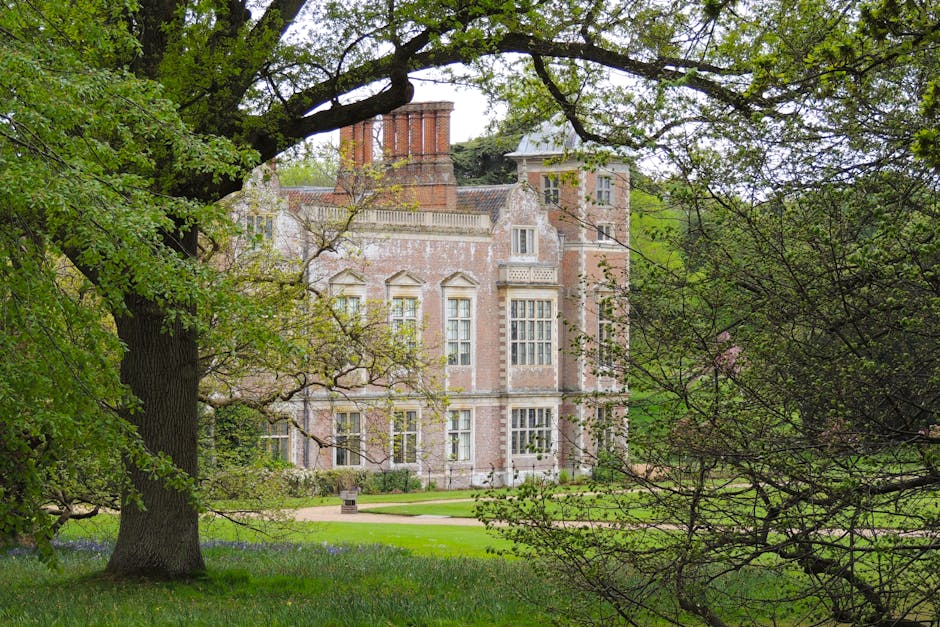
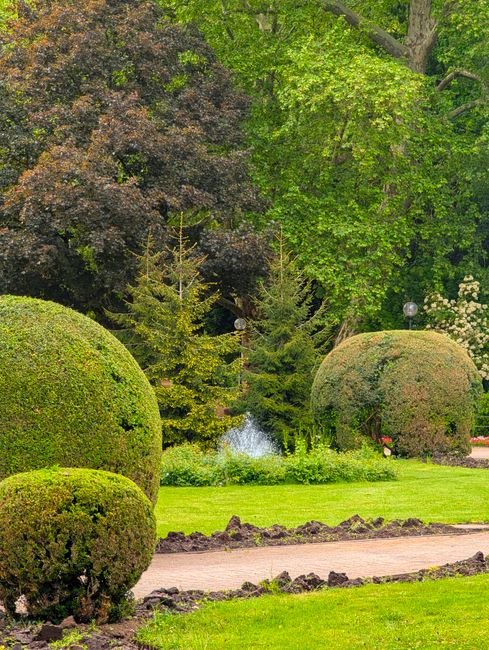
Plashet Park front garden pruning guide for Manor Park gardeners
If your front garden is starting to look a bit untidy around the edges, you are not alone. In Manor Park, where front gardens often do a lot of work in a very small space, pruning can be the difference between a place that feels welcoming and one that looks crowded, leggy, or just plain tired. This Plashet Park front garden pruning guide for Manor Park gardeners is written to help you make tidy, confident decisions without overcutting or losing the shape of your planting. A good prune should improve light, air flow, structure, and curb appeal. Done well, it also makes future maintenance much easier. Truth be told, the best pruning jobs are often the ones nobody notices at first glance - they just make everything feel right.
Whether you are managing a compact border, a small hedge by the path, or a mix of shrubs and climbers near the street, the principles are the same: prune with a plan, use the right tools, and understand what each plant is trying to do. You will find practical steps here, plus a few judgement calls that matter in real gardens, especially in exposed or busy front spaces. If you later decide you want help from a local team, you can also explore routine garden maintenance support or browse the wider gardening services available in Manor Park.
Table of Contents
- Why pruning matters in Plashet Park front gardens
- How front garden pruning works in practice
- Key benefits and practical advantages
- Who this guide is for and when it makes sense
- Step-by-step pruning guidance
- Expert tips for cleaner, healthier results
- Common mistakes to avoid
- Tools, resources and recommendations
- Law, compliance, standards and best practice
- Options, methods and comparison table
- Case study: a real-world front garden tidy-up
- Practical checklist
- Conclusion
- Frequently asked questions
Why Plashet Park front garden pruning guide for Manor Park gardeners Matters
Front gardens are different from back gardens. They are visible from the pavement, they frame the house, and they often carry a surprising amount of everyday pressure: foot traffic, bins, visibility, weather exposure, and neighbours passing by. In Plashet Park and the wider Manor Park area, that means pruning is not just a cosmetic task. It is part of keeping the whole entrance pleasant, safe, and manageable.
A poorly maintained front garden can quickly create a few familiar problems. Branches start brushing the path, shrubs flop across windows, and hedging turns lopsided because someone only trims the obvious bits. Before long, the space begins to feel smaller. A well-planned prune restores shape and gives plants room to breathe. It also reduces the chance of weak growth snapping in wind, which matters more than people sometimes think in open London streets. If you have ever heard a shrub rattle against a gate on a blustery evening, you know the feeling.
There is another reason this matters: front gardens set the tone for the rest of the property. A neat, well-pruned entrance can make a modest planting scheme look intentional and cared for. That does not mean everything must be clipped into strict lines. Not at all. It means the garden should look like someone is looking after it with judgment rather than panic.
For gardeners who want to create a smarter boundary or a little more privacy, pruning often works hand in hand with planting choices. You might pair a tidy hedge with layered shrubs, or use a structured climber to soften walls and fences. If that sounds useful, the guide to speedy hedges for a privacy barrier is a helpful companion read, especially if your front garden needs screening as well as structure.
How Plashet Park front garden pruning guide for Manor Park gardeners Works
Pruning is basically selective editing. You remove the bits that are causing congestion, imbalance, weak growth, or poor form, while keeping the framework that makes the plant attractive. In a front garden, that framework is usually more important than in a hidden corner, because every cut affects the view from the street.
The process usually starts with observing how each plant grows. Some shrubs flower on last year's wood. Others flower on new growth. Hedging plants can often take regular clipping, while ornamental shrubs need a lighter hand. Climbers can be trained and tidied, but they are not all treated the same. Sounds obvious, maybe, but this is where many people get caught out. One over-enthusiastic sweep of the shears and suddenly you have removed next season's flowers. Annoying, but fixable in most cases.
Good pruning in a front garden also balances three things:
- Plant health - removing dead, diseased, crossing, or congested stems.
- Shape and scale - keeping growth in proportion to the path, wall, window, and boundary.
- Access and safety - making sure entrances, lights, and sightlines stay clear.
In practical terms, that means cutting less than you think at first, stepping back often, and pruning with the whole scene in mind. If the front garden is windy or exposed, the priority may be to reduce top-heavy growth rather than shorten everything evenly. If it is shaded, you may need to thin plants a little more so light reaches the lower stems. Small decisions like that add up.
For broader seasonal resilience, especially in colder months, it can also help to review how to protect plants from harsh winter weather. That kind of planning keeps pruning from becoming a one-off rescue job every spring.
Key Benefits and Practical Advantages
There are plenty of reasons to keep on top of front garden pruning, and most of them are very practical. Yes, the garden looks better. But the payoff goes further than appearance.
1. Better light and air movement
Thinning crowded growth helps air pass through the planting. That can reduce damp pockets and help the garden feel fresher, especially near walls and fences where moisture tends to linger.
2. Stronger plant structure
Regular, gentle pruning encourages shrubs to branch more evenly rather than shooting up in one direction. This is especially useful in small front gardens where one awkward stem can throw the whole composition off.
3. Easier day-to-day care
Once plants are shaped properly, tasks like sweeping, weeding, and mowing around the edge become much simpler. A tidy frame saves time later. That is one of those things you only fully appreciate after a wet Saturday spent fighting brambles and hedge clippings.
4. Better kerb appeal
It sounds a bit estate-agent-ish, but it is true: a front garden with controlled, healthy growth feels welcoming. Visitors notice it. Neighbours notice it. So does anyone walking past with a dog and a coffee, which is most of Manor Park on a mild afternoon, let's be honest.
5. More control over privacy and boundaries
Pruning lets you maintain screening without letting plants become unruly. That matters if you rely on hedges or climbers to soften the boundary line. For more ideas on controlled coverage, have a look at evergreen climbers for tricky spaces and the article on top ground cover plants for UK gardens if you want the lower layer to stay neat beneath taller planting.
Expert summary: In a front garden, pruning is not about making everything smaller. It is about keeping the garden legible, healthy, and in proportion to the house. A well-timed cut should improve structure without stripping away character.
Who This Is For and When It Makes Sense
This guide is for Manor Park gardeners who want a front garden that looks cared for without becoming a full-time job. It is especially useful if your space includes hedges, small shrubs, climbers, roses, or mixed borders near a path or boundary wall.
You will get the most value from this guide if you:
- have a compact front garden that gets cluttered quickly;
- need to keep windows, paths, or doorways clear;
- want to improve privacy without creating a heavy or overgrown look;
- are trying to revive a garden that has become a bit patchy or overextended;
- prefer practical maintenance over constant redesign.
It also makes sense if you are caring for a newly planted front garden. Young shrubs usually need lighter, more frequent shaping rather than one severe cut. That distinction matters. New gardeners sometimes think a hard prune will "sort it out" quickly. Sometimes it does. Sometimes it just sets the plant back for a season. Nature is rude like that.
If you are working with a space that has become cluttered over time, it may be helpful to pair pruning with a broader reset. That could mean clearing weeds, re-edging the border, or even rethinking the layout. The article on breathing new life into a forgotten garden is a good match if you are starting from a neglected front plot.
Step-by-Step Guidance
Here is the practical part. Keep it calm, take your time, and do not try to "fix" everything in one go unless the garden genuinely needs a reset. A tidy front garden often comes from steady correction rather than dramatic surgery.
- Walk the garden first. Look at the front garden from the pavement, the driveway, and the doorway. Where does it feel crowded? Which stems are crossing? What is blocking the line of sight?
- Identify the plant type. Check whether you are pruning a hedge, a flowering shrub, a climber, or a small tree. Different plants respond differently, and that choice changes the timing and intensity of the cut.
- Remove dead and damaged growth. Start with broken stems, diseased material, and anything that is clearly spent. This clears the way for cleaner shaping.
- Thin where the centre is congested. If a shrub is dense, remove a few older stems at the base to open the plant up. Do not just clip the tips and hope for the best.
- Shape the outline gradually. Step back after every few cuts. Use the house, path, and fence line as visual guides. Front gardens usually look best when they have soft, slightly rounded proportions rather than sharp over-trimming.
- Keep entrances and sightlines clear. Anything that brushes a doorway, blinds a window, or blocks a path should be reduced first. Function first, prettiness second. Usually both can happen anyway.
- Finish with a cleanup. Remove clippings, shake out loose debris from the plants, and sweep hard surfaces. A clean finish makes the whole job look twice as good.
For hedges specifically, a more structured method may be better than random snipping. If your front boundary is hedge-led, the guidance in advanced hedge trimming shapes and techniques can help you think about form, taper, and finish. And if the hedge has become part of your privacy strategy, it is worth considering your local hedge trimming support in Manor Park rather than tackling a large job with blunt tools and crossed fingers.
A useful seasonal rhythm
For many front gardens, a little and often approach works better than one big annual cut. Spring is often about tidying winter damage and encouraging fresh growth. Late summer can be ideal for sharpening the shape once flowering has finished. Autumn is more about safety, access, and preventing wind damage. Winter pruning can be useful for some plants, but it needs judgement, especially if cold weather is on the way.
Expert Tips for Better Results
Small habits make a big difference. They also make pruning less stressful, which is no bad thing when you are working outside with damp sleeves and a hedge trimmer that keeps tugging the wrong way.
- Prune on a dry day where possible. Wet foliage is awkward, and damp cuts can be messy. A dry, bright morning is ideal.
- Use clean, sharp tools. Ragged cuts can slow recovery and make work harder. Sharp secateurs are not glamorous, but they do half the job for you.
- Take the top off in stages. This is especially useful with larger shrubs. You can always remove more. You cannot put it back.
- Keep one eye on neighbours and pavements. In a front garden, overhanging growth can become a nuisance faster than you expect.
- Use pruning to reveal structure. Sometimes the plant underneath is more attractive than the overgrown shape suggests. A little thinning can uncover that.
- Mulch after heavier pruning. If you have removed a lot of growth, feeding and mulching around the base can help the plant settle back in.
There is also a design element here. If you have a front garden that feels a bit flat after pruning, do not rush to replace the whole thing. Consider a layer of low-growing plants, a climber, or a well-placed pot to restore depth. The piece on vertical gardens and green wall ideas can spark a few useful thoughts if your frontage has walls or narrow spaces that need softening.
And if the front garden receives a lot of wind, pruning should be more selective than severe. You are trying to reduce sail effect, not leave the plant bare and shocked. The guide on reducing wind impact in the garden is worth reading if your plot sits on an exposed corner.
Common Mistakes to Avoid
Most pruning mistakes are fixable, but they can still cost you a season of shape or flowering. Better to avoid the usual traps.
- Cutting too much at once. It is tempting to keep going when a plant starts looking neater. That is where trouble begins.
- Shearing everything into the same shape. Front gardens often need variety. Uniform cutting can make the space feel harsh or artificial.
- Ignoring flowering habit. Some shrubs flower on old wood, some on new. Prune blindly and you may lose blooms.
- Leaving pruning until growth is tangled. The longer you wait, the harder it is to see what should stay and what should go.
- Forgetting the base. If the bottom of a shrub is crowded, cutting only the top solves very little.
- Using dirty or blunt tools. That is how cuts get messy and tiring work becomes even more annoying.
A lot of people also forget to check what is behind the plant. A shrub that looks harmless from the front may be hiding old wire, a cracked post, or a fixture that should not be cut into. It happens more often than you would think. A quick look around before starting saves headaches later.
Tools, Resources and Recommendations
You do not need a shed full of gear to prune a front garden well. You do, however, need a few reliable tools and some common sense about what each one is for.
| Tool | Best for | Why it helps |
|---|---|---|
| Bypass secateurs | Small stems, deadheading, fine shaping | Gives cleaner cuts on living growth |
| Loppers | Thicker stems and awkward branches | Provides leverage without forcing the cut |
| Hedge trimmer | Formal hedges and larger boundary shapes | Speeds up straight or curved hedge work |
| Pruning saw | Older woody stems | Useful where secateurs are too small |
| Gloves and eye protection | All pruning jobs | Protects hands and eyes from scratches and debris |
Beyond tools, a few supporting resources are worth keeping in mind. If pruning is part of a bigger tidy-up, you may find the advice on essential gardening equipment useful. If your front garden also includes paving, a path, or a small sitting area, then maintenance can stretch beyond planting into surfaces as well. In that case, the team pages for patio cleaning and lawn mowing may be relevant as part of the overall presentation.
For gardens that need a bigger rethink after pruning, you may also want to explore landscaping support or tree surgery services if there are larger woody plants involved. Not every problem is a secateurs problem. Some are, but not all. To be fair, that is a relief sometimes.
Law, Compliance, Standards, or Best Practice
Front garden pruning is mostly a gardening task, but there are still practical standards and responsibilities worth following. In the UK, you should always avoid cutting anything that clearly does not belong to you, and be careful around boundaries, shared hedges, and trees with protected status or special constraints. If a tree is large, close to a structure, or showing signs of decay, it is safer to get proper assessment rather than guessing.
For most householders, the key best-practice points are straightforward:
- do not create a hazard on the pavement or road while pruning;
- keep tools and cuttings under control;
- use suitable protective equipment;
- check for overhead cables, fragile fencing, or hidden obstacles before working;
- dispose of green waste responsibly;
- work within your ability, especially with ladders or taller shrubs.
If you are unsure about a larger tree, a high hedge, or anything near a boundary that might affect neighbours, it is better to ask first. The practical side matters too. A rushed or unsafe prune can damage the plant, but it can also create avoidable risk. Our health and safety policy and insurance and safety information show the sort of care people should expect from a professional gardening service.
On the customer side, it is wise to understand how work is agreed, priced, and handled. If you are comparing help for a larger front garden project, the pages on pricing and quotes, terms and conditions, and payment and security are worth a read. Clear expectations make the whole job smoother.
Options, Methods, or Comparison Table
There is no single pruning method that suits every front garden. The right choice depends on the plant, the look you want, and how much time you want to spend maintaining it afterwards.
| Method | Best for | Pros | Watch out for |
|---|---|---|---|
| Light tip pruning | Young shrubs, neat borders | Quick, gentle, low stress | May not solve deeper congestion |
| Selective thinning | Mature shrubs and mixed planting | Improves airflow and shape | Requires a bit more judgement |
| Formal hedge clipping | Boundary hedges | Creates a crisp, tidy finish | Can look harsh if overdone |
| Renewal pruning | Overgrown, leggy shrubs | Can restore structure | Should be done carefully and not on every plant |
| Professional reshaping | Complex front gardens, taller plants | Safer and more precise | Usually needs a service call or quotation |
For many Manor Park homes, the best answer is a mix of methods. A hedge may need formal clipping, while a nearby shrub just needs thinning and a light shape. That combination keeps the garden balanced and avoids the too-uniform look that can happen when everything gets the same treatment. If you want a more tailored approach, a local about us page can help you understand the team behind the service before you decide.
Case Study or Real-World Example
Picture a typical front garden in Plashet Park: a narrow path, a low hedge by the boundary, one overgrown shrub near the window, and a climber that has started wandering across the fence. Nothing dramatic. Just a garden that has quietly run ahead of itself.
The first step would be to clear the hedge line so the path is open again. Next, the shrub near the window would be thinned rather than chopped hard, because it still provides shape and a little screening. The climber would be tied in and trimmed back to the growth that supports the frame, not hacked down to bare stems. Then the border would be cleaned up, with weeds removed and the edge redefined so the whole front reads as one space rather than four different ideas competing for attention.
In a job like that, the visible change is subtle but immediate. The doorway feels brighter. The pavement line is clearer. The house itself looks better presented. And the really useful part? The next month's maintenance is much lighter because the structure is back under control. That is usually the point where homeowners say, "Ah, that's more like it."
If the garden is part of a family home, you might also want to think about how the planting interacts with children or pets. For example, a soft, open layout works better than a dense tangle of thorny stems near the entry. The posts on child-inspired garden design and pet-safe planting tips can give you ideas for making the front area safer and friendlier at the same time.
Practical Checklist
Use this before and after pruning. It keeps things simple.
- Check the plant type and flowering habit.
- Inspect for dead, damaged, or diseased growth.
- Confirm boundary lines and shared spaces.
- Make sure paths, doors, and windows will stay clear.
- Prepare sharp, clean tools.
- Wear gloves and suitable eye protection.
- Start with the smallest necessary cuts.
- Step back often and compare both sides.
- Thin congested centres where needed.
- Collect clippings as you go to avoid a bigger mess later.
- Finish by sweeping and checking the overall shape from the street.
- Water lightly if the plant looks stressed and the weather is dry.
If pruning is only one part of a larger reset, you might also use the opportunity to look at weeds, edging, and the health of the lawn. The articles on weed control, lawn care, and turning waste into compost fit naturally into that next stage.
Conclusion
Pruning a front garden well is not about being ruthless. It is about being observant, patient, and just a little bit disciplined. For Manor Park gardeners, especially around Plashet Park where frontage matters so much, a careful prune can transform how a home feels from the street without needing a complete redesign. You keep the good structure, remove the excess, and let the garden breathe again.
Start with the plant in front of you, not the image in your head. That is the trick, really. The best results come from matching the cut to the plant's natural habit and the needs of the space. Once you get that balance right, the front garden stops feeling like a chore and starts feeling like part of the home. And that is a nice shift, honestly.
Need help choosing the right approach for your front boundary, shrubs, or hedges? Take the next step and speak with a local gardening team that understands Manor Park gardens, access, and seasonal pressure.
Get a free quote today and see how much you can save.
Frequently Asked Questions
What is the best time to prune a front garden in Manor Park?
That depends on the plant. Many shrubs respond well to pruning in late winter, spring, or after flowering, but hedge plants and climbers can have different timing needs. A cautious, seasonal approach is usually safest.
How hard should I prune an overgrown front garden shrub?
Start lighter than you think. Remove dead and crossing growth first, then thin selectively. If the shrub is badly overgrown, renewal pruning may be possible, but it is not suitable for every species.
Can I prune my front hedge myself?
Yes, if it is small, accessible, and you are comfortable using the tools safely. Larger hedges, awkward corners, or anything near height may be better left to a professional. A clean hedge takes patience, not aggression.
Will pruning stop my plants from flowering?
It can, if you prune at the wrong time or remove the wood that carries next season's flowers. That is why it helps to know whether a plant flowers on old or new growth before cutting.
What should I do with clippings after pruning?
Small amounts can often be composted if the material is healthy and suitable. Diseased material should be removed carefully and not spread around the garden. Keep the front neat; nobody likes a pile of hedge cuttings hanging around for days.
Do I need special tools for front garden pruning?
Not many. A good pair of secateurs, loppers, gloves, and possibly a hedge trimmer for boundary hedges will cover most jobs. The key is to keep the blades sharp and the tools clean.
How often should a front garden be pruned?
Light maintenance may be needed several times through the growing season, while more structural pruning is often seasonal. Front gardens usually benefit from small, regular tidy-ups rather than waiting for one big overhaul.
What if my front garden is very windy or exposed?
Prune more selectively and avoid stripping too much growth at once. Windy gardens benefit from plants that keep some density for shelter, so you want shape and stability, not bare stems.
Is there a difference between pruning and trimming?
Yes. Trimming usually means tidying the outer growth to maintain shape, while pruning is more selective and structural. In a front garden, you often use both: trimming for neatness, pruning for health and form.
When should I call a professional for pruning?
If the plant is tall, near a boundary issue, looks diseased, or needs careful reshaping, professional help is sensible. It is also worth calling in support if you want a full front garden refresh rather than a simple cut-back.
Can pruning improve privacy in a front garden?
Yes, if it is done with the right plants and the right approach. A well-maintained hedge or screened shrub layer can give privacy without looking heavy. For more on that, the privacy hedge guide and related planting ideas are useful starting points.
How do I know if I have pruned too much?
If you have removed most of the leafy structure, exposed a lot of bare wood, or changed the shape so drastically that the plant looks shocked, you may have gone too far. The good news is that many plants recover, but the next step should be careful aftercare, not more cutting.
Where can I get help with front garden maintenance in Manor Park?
If you want support beyond a one-off prune, look at local garden maintenance, hedge trimming, and broader gardening services. It is often easier to keep a front garden healthy with a regular plan than to rescue it every year.